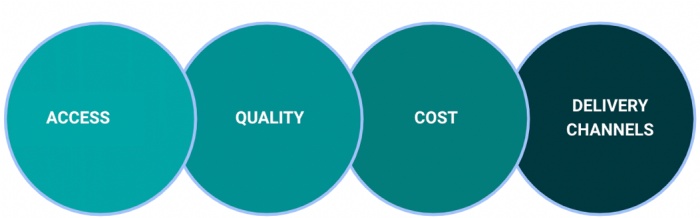
Access:
As is the case for most African countries, finding drugs, particularly for specialised treatment, is hard. It is difficult to find them, especially because pharmacies are only able to stock up to 30% of registered drugs in the country.
Counterfeits:
In Nigeria’s predominantly informal distribution and retail networks, counterfeit and parallel medicines are often difficult to distinguish from the genuine article.
Cost:
The affordability of medicines is an issue, only the most affluent in the society are able to consistently afford the drugs they need on a regular basis. A McKinsey report estimates that fewer than 5 percent of households can afford to pay for ethical drugs entirely through out-of-pocket spending or private health insurance.
Delivery channels:
There is inadequate infrastructure: challenges span from having limited resources for hospitals in the form of beds and ICU space, to having limited access to delivery channels. This is made more problematic since most medication is imported.
These challenges mean that the pharmaceutical supply chain is costly and difficulty in access – problems that passed on to the consumer in terms of high prices and decreased accessibility.
The Solution:
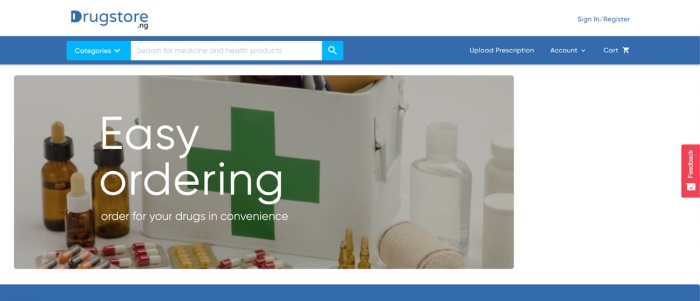
Drugstore is an online marketplace where pharmacies can list and sell their drugs and medical equipment directly to patients. The platform is secure, compliant and holds privacy as a critical part of their development process. Drugstore also offers consultation, prescription refills with a pickup and door delivery option across the country.
Customers, which includes both patients and pharmacists, order drugs online. Drugstore then sources medicine, and delivers the product to their doorstep.
With this process, Drugstore facilitates greater accessibility by aggregating sources of medicines. The platform is able to create efficiency in the value chain from manufacturers, thereby reducing the cost of medication via economies of scale.